
reflective tinted glass
Types of Micrometer: field notes, hard specs, and a few honest surprises If you’ve ever tried to settle a tolerance dispute at 7:30 a.m. with coffee in one hand and a Go/No‑Go decision in the other, you already know: picking the right types of micrometer is not just a catalog exercise. It’s survival. Below is what’s actually working in shops right now—plus a closer look at a granite-frame unit that’s been quietly making fans in precision labs. What the market is buying in 2025 Trends I keep hearing from QA leads: less operator friction, more thermal stability, and data capture that doesn’t fight the MES. Here’s the quick map of types of micrometer most teams shortlist: Outside micrometers (analog, digital, ratchet/friction thimble) Inside and 3‑point bore micrometers Depth micrometers Specialty: blade, ball, tube, groove, spline, gear‑tooth, thread micrometers Bench/fixture micrometers for repetitive production checks And, increasingly, granite/marble micrometers for high‑stability lab work Spotlight: Measuring Micrometer (granite/marble) Origin: No.17, Building 11, Hardware Building Material City, Botou, Cangzhou, Hebei, China. This unit swaps the classic cast‑iron frame for granite/marble—non‑magnetic, non‑rusting, and impressively creep‑resistant. In metrology rooms that struggle with thermal drift, that’s gold. The texture is uniform, so under heavy loads it stays calm, which, to be honest, is what you want when you’re chasing microns. Parameter Spec (≈ real-world) Measuring range 0–25 mm, 25–50 mm, 50–100 mm options Resolution 0.001 mm (digital), 0.01 mm (analog) Accuracy (20±1 °C) ±2 μm (0–25 mm), ±3 μm (25–50 mm) Frame material Granite/marble, high‑stability, non‑magnetic Contact faces Lapped faces; carbide‑tipped optional Finish & flatness Mirror‑lapped; flatness ≤0.5 μm across faces Service life 10+ years with routine lapping & cleanroom care Vendor snapshot (what buyers compare) Vendor Core strength Customization Certs Lead time STR Machinery (granite) Thermal stability, non‑magnetic frames Size, faces, data ports ISO 9001; ISO 17025 partner labs ≈15–30 days Mitutoyo Digital integration, ecosystem Moderate ISO/ASME compliant Stock–short Starrett Build quality, analog feel Low–moderate ASME/DIN compliant Stock–medium Process, standards, and test data Materials: dense granite with uniform grain; Methods: rough saw → stress relief → precision lapping → face lapping → assembly → calibration. Testing: gauge blocks per ISO 3650; performance to ISO 3611 / ASME B89.1.13; environmental at 20±1 °C, 45–55% RH. Sample lot data (n=30) showed MPE 1.8 μm at 0–25 mm and repeatability σ ≈ 0.4 μm. Service life is extended by periodic relapping and clean handling (no coolant exposure—granite is acid/alkali resistant but cleanliness still matters). Applications and quick cases Automotive shims and valve train parts: reduced drift vs metal frames by ~25% across a 2°C swing. Semiconductor fixtures: non‑magnetic frame avoided probe interference; operators liked the “dead quiet” feel. Medical device cannulas: depth checks paired with types of micrometer using blade anvils for thin walls. Customer feedback: “Holds zero all morning,” one QA supervisor told me, “and honestly, that’s what we pay for.” Customization STR supports custom ranges, carbide faces, ratchet or friction thimble, and SPC output. For mixed lines, I suggest a hybrid bench: granite frame + digital head with data cable. That’s the sweet spot for most types of micrometer deployments. If you’re speccing a lab or stabilizing a touchy line, the granite approach is worth a look—less drama, more repeatability. Authoritative citations ISO 3611: Micrometers for external measurement — Specifications. ASME B89.1.13: Micrometers, Standard. DIN 863: Micrometers — Technical delivery conditions. ISO 3650: Gauge blocks — Specifications (for calibration reference). ISO/IEC 17025: General requirements for the competence of testing and calibration laboratories.
about
reflective tinted glass
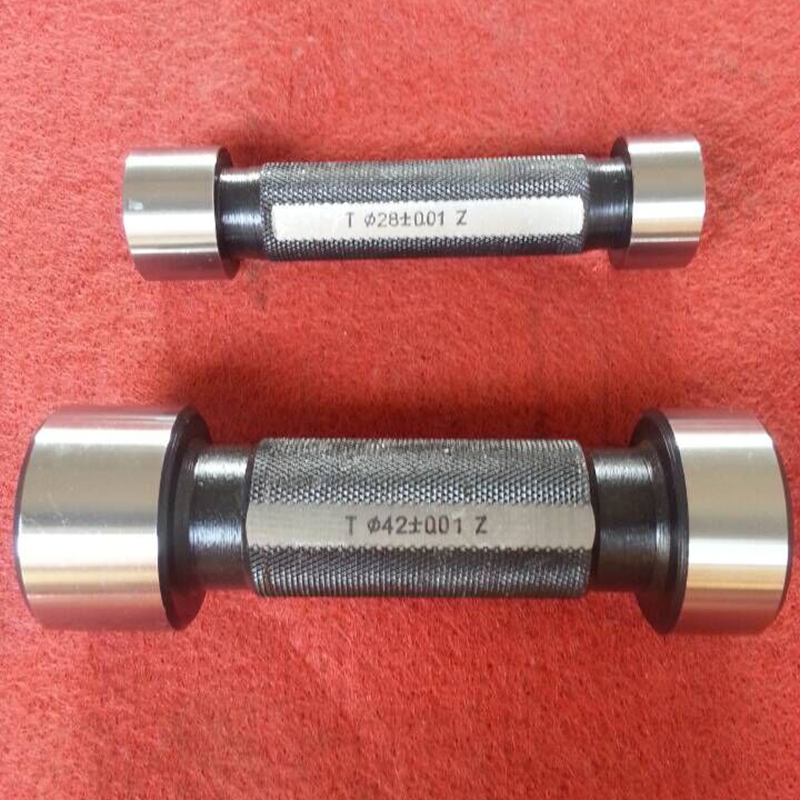
Understanding Plug Ring Gauges Precision Tools for Quality Assurance In the world of manufacturing and machining, precision is paramount. Ensuring that components fit together with accuracy requires reliable measuring tools. One such tool that plays a vital role in verifying the dimensional correctness of internal features is the plug ring gauge. This article delves into the intricacies of plug ring gauges, their uses, importance, and how they contribute to quality assurance in various industries. What is a Plug Ring Gauge? A plug ring gauge is a cylindrical instrument designed to measure the diameter of holes, especially those that require high precision. The gauge consists of a plug with specific dimensions that can be inserted into holes of varying sizes. It is typically made from stable materials such as steel or carbide to withstand wear and maintain accuracy over time. The design comprises the 'go' and 'no-go' sections, allowing users to quickly determine whether a hole meets the required specifications. The 'go' side of the gauge should fit snugly into the hole, confirming that it is within tolerances. Conversely, the 'no-go' side is slightly larger, and if it fits, it indicates that the hole is oversized and does not meet the specified limits. This simple yet effective design allows for quick and reliable inspection, crucial for maintaining quality standards. Importance of Plug Ring Gauges The significance of plug ring gauges extends across various industries, including automotive, aerospace, and machinery . Here are some reasons why they are essential 1. Quality Control Plug ring gauges play a pivotal role in quality assurance processes. By ensuring that drilled or machined holes meet specific standards, manufacturers can prevent costly errors that arise from fitting issues. 2. Consistency Regular use of plug ring gauges helps maintain consistency across production runs. By standardizing measurements, manufacturers can ensure uniformity in product dimensions, which is critical, especially for components that must work together. plug ring gauge 3. Cost Efficiency Detecting dimensional discrepancies early in the manufacturing process helps reduce waste and rework. Plug ring gauges enable operators to quickly identify out-of-spec parts, minimizing the need for costly corrections down the line. 4. Simplicity and Speed Unlike complex electronic measuring devices, plug ring gauges provide rapid results that can be easily interpreted. Their straightforward design makes them user-friendly, allowing operators to perform checks without extensive training. Applications in Various Industries Plug ring gauges are utilized in a wide range of applications. In the automotive industry, for instance, these gauges ensure that engine components fit and function correctly. They verify the integrity of holes in engine blocks, allowing for precise assembly of various parts such as pistons and crankshafts. In aerospace, dimensional precision is even more critical due to the safety implications of component failure. Plug ring gauges are used to inspect the integrity of holes in various structural elements, ensuring they meet the stringent requirements necessary for flight safety. Machinery manufacturing also benefits from plug ring gauges, as they aid in maintaining the tolerances required for intricate pieces and assemblies. Whether it's for hydraulic systems or complex gear assemblies, ensuring proper fit and functionality is paramount. Conclusion In conclusion, plug ring gauges are indispensable tools in the arsenal of quality assurance mechanisms employed across numerous industries. Their ability to provide rapid and reliable measurements makes them essential for maintaining precision in manufacturing processes. As industries continue to evolve and demand higher levels of accuracy, the role of plug ring gauges will undoubtedly remain significant. Investing in high-quality gauges and training personnel to use them effectively can lead to improved product quality, reduced waste, and ultimately, a more profitable operation. The precise measurement capabilities of plug ring gauges ensure that businesses can meet customer requirements and uphold their reputations for quality in an increasingly competitive market.
-

High quality industrial productsagement

High quality industrial products
View Details -

Meet the diverse needs of customers

Meet the diverse needs of customers
View Details -

Strict quality control

Strict quality control
View Details -

Top raw materials

Top raw materials
View Details -

Trusted supplier

Trusted supplier
View Details
Our application

news and information
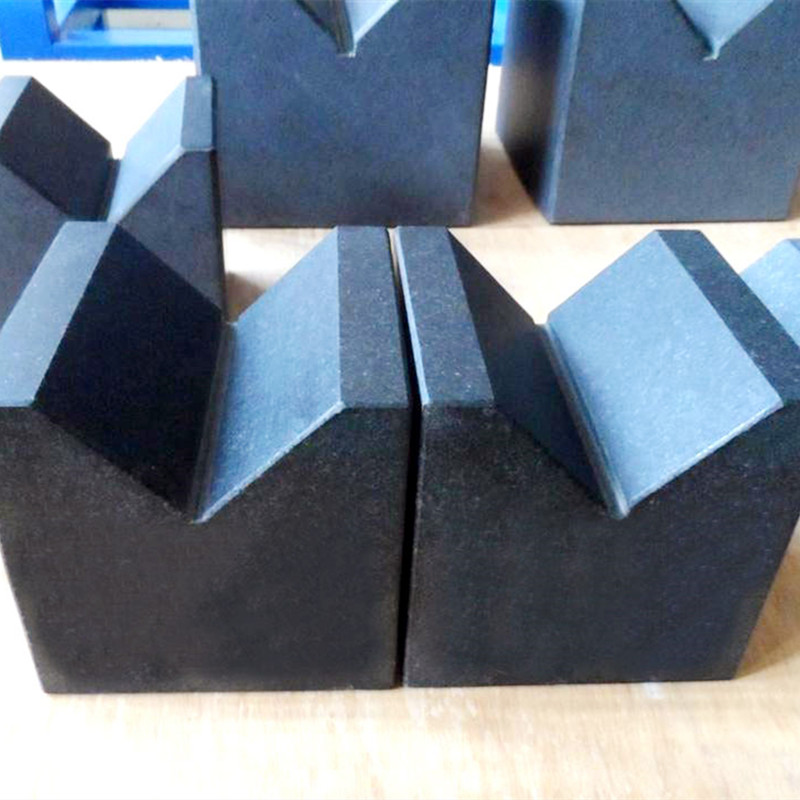
Using a Spirit Level for Accurate Measurement Techniques and Applications
Understanding the Spirit Level and Its Measurements The spirit level, also known as a bubble level,
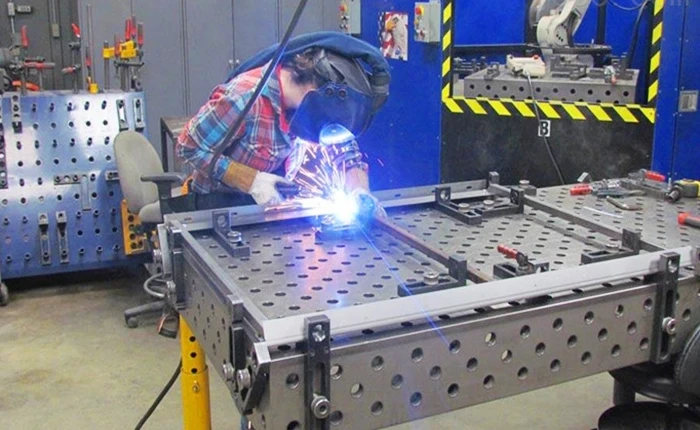
Using Taper Plug Gauge for Precision Inspection and Measurement in Manufacturing Processes
Understanding Taper Plug Gauges Their Purpose and Application in Quality Control Taper plug gauges a
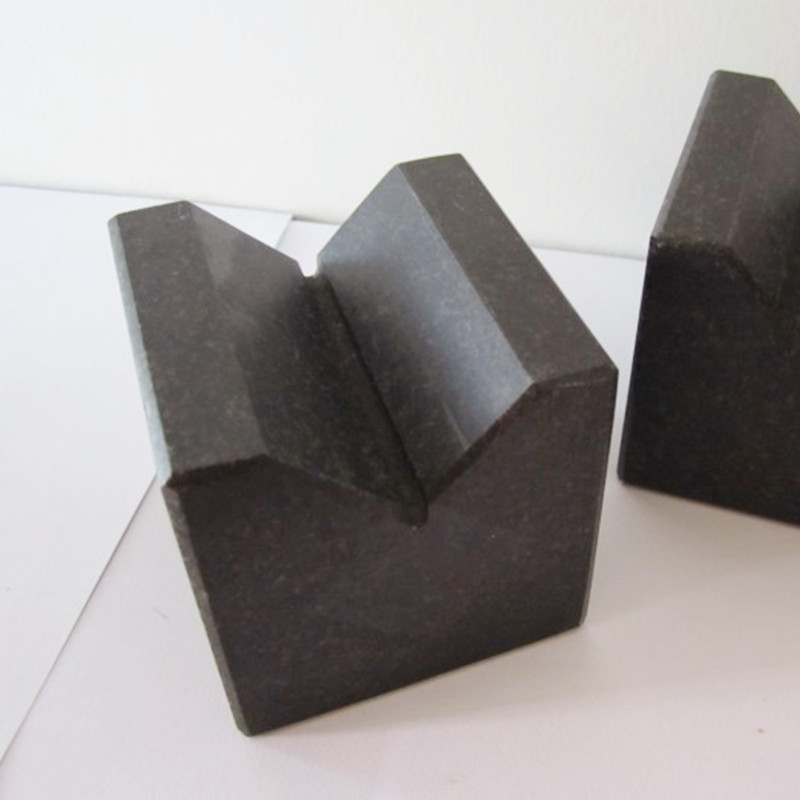
Vee Blocks Available for Purchase – High Quality Options to Choose From
Vee Blocks for Sale An Essential Tool for Precision Machining When it comes to precision machining,
 English